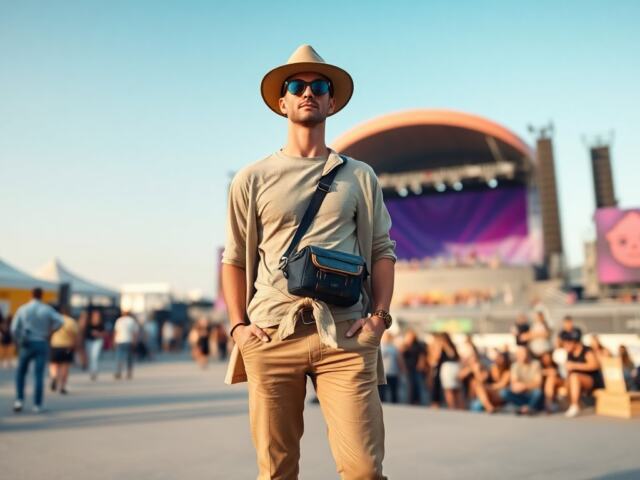
What to wear to a concert matters for comfort, safety, and style. This guide expands on clear outfit choices for common shows and gives mix-and-match options so readers can tailor looks to venue, weather, and mood. It helps avoid guesswork by explaining fabric choices, layering strategies, shoe selection, and small accessories that make a big difference — from staying cool in a packed arena to staying dry at an all-day outdoor festival.
Key Takeaways
- Choosing what to wear to a concert depends on the venue type, weather, crowd size, and event length — prioritize comfort and safety without sacrificing personal style.
- For stadium rock or pop concerts, wear breathable fabrics like cotton or performance blends and use practical layers such as denim or lightweight jackets for changing temperatures.
- Select closed-toe shoes such as sneakers or low boots for comfort, protection, and traction; break in footwear ahead of time and bring blister care for longer events.
- Use small, secure bags like crossbody or belt bags to comply with venue rules and keep hands free for dancing and photos.
- Layer clothing, bring practical accessories (rain shell, earplugs, phone charger), and choose fabrics that dry quickly or wick moisture to stay prepared for weather and safety needs.
- Plan ahead by checking venue restrictions, mapping transport and meet-up points, and sharing plans with friends to make the experience smoother and more enjoyable.
Key Factors To Consider Before You Get Dressed
Venue type shapes outfit choices: standing-room general admission and mosh-friendly venues demand durable, protective pieces, while seated theaters let you opt for lighter footwear and slightly dressier items. Indoor venues favor breathable layers and fabrics with some stretch; outdoor shows require weather-ready pieces and quick-drying fabrics in case of rain or sweat. Crowd size affects mobility and how much personal space you’ll have — tighter crowds call for slimmer silhouettes and fewer dangling accessories. Weather dictates fabric and outerwear selection: choose moisture-wicking materials for heat, insulating mid-layers for cool evenings, and a compact rain shell or poncho for outdoor events.
Event length matters for comfort and footwear — multi-hour or festival days need shoes that won’t fatigue your feet and outfits that won’t chafe. Security rules at venues often limit bag size, types of closures, and large metal accessories, so check those ahead of time. Consider practical needs like phone battery, cash/card, ID, and snacks when selecting pockets or a bag. Finally, personal style should guide your choices so you feel confident; aim for a balance of function and self-expression when deciding what to wear to a concert.
Outfit Ideas For Different Concert Types
Stadium Rock or Pop: Bold, Breathable Looks
For stadium rock or pop shows, pick bold pieces that breathe and allow movement. A graphic tee or band tee layered with a lightweight bomber, denim jacket, or an open button-down works well; high-waist jeans, relaxed cargos, or tailored joggers provide comfort while looking put-together. Choose breathable fabrics like cotton, linen blends, or technical tees that wick moisture — these reduce sweat and keep you cooler under hot lights and packed crowds. Add a statement accessory (bandana, layered necklaces) but avoid anything sharp or overly heavy that could be uncomfortable in close quarters. For daytime outdoor stadiums, sunglasses and a hat help with sun; for nights, a light jacket or flannel tied around the waist is both practical and stylish. This approach answers what to wear to a concert when the crowd is large and energy is high while keeping you prepared for changing conditions.
Shoes That Keep You Comfortable, Safe, And On‑Trend
Shoes determine comfort and safety at most shows and are one of the most important choices when deciding what to wear to a concert. Closed-toe shoes protect feet in crowded spaces and from dropped items; sneakers provide cushioning and good traction for standing or dancing. Low ankle boots or combat-style boots add support and can pair with many outfits, while flat, sturdy sandals may be acceptable for seated shows but risk being stepped on in standing areas. Avoid brand-new shoes that haven’t been broken in — blister prevention (blister pads, moleskin, or adhesive bandages) is an easy addition to your small kit. For outdoor or uneven venues, choose soles with grip and consider thicker insoles if you expect long periods on concrete or grass. If you plan to jump or crowd-surf (where permitted), a secure lace-up shoe is safer than slip-ons.
Practical Accessories, Layers, And Safety Tips
Small, secure bags — crossbody, waist/belt bag, or a clear stadium-approved bag — keep essentials accessible and meet venue rules. Pack smart: ID, wallet, phone, a compact rain shell, earplugs, and a small first-aid item (bandages or blister pads) are often enough. Layering helps when temperatures shift during an evening show; a thin hoodie, light jacket, or flannel tied around the waist can be added or removed without fuss. For outdoor festivals, bring sun protection (sunscreen and a hat) and a reusable water bottle if the venue allows it.
Safety tips matter: check venue bag and item restrictions before you go, establish a meeting point with friends in case you get separated, and keep valuables secure and close to your body. Earplugs offer hearing protection while preserving sound quality — a good option for loud concerts. A portable phone charger can be a lifesaver for navigation, photos, and coordinating with friends. With these practical accessories, layers, and safety checks, readers will have clearer, actionable answers to what to wear to a concert for a variety of situations.