| Style | Era and region | Vocal delivery | Planning use |
|---|---|---|---|
| Old school rap | Bronx, mid-1970s into early 1980s | Mostly freestyle vocals over sampled beats | Start here to hear the template that later styles built on. |
| Boom bap | New York, late 1980s to mid-1990s | MC verses over drums in duple time, two beats to a bar | Choose it when you want the voice and the drum sound to carry the track. |
| Trap | Atlanta, early-to-mid 2000s | Triplet flows and assertive lyrics over 808s | Pick it for the bass-heavy sound that dominates modern playlists. |
| Drill | Chicago, around 2011 to 2012 | Short phrases, hard consonants, a flow sitting slightly behind the beat | Suits listeners who want menace and tension over lyrical density. |
| Conscious and lyrical rap | Rooted in New York and LA from the late 1980s on | Lyric-led delivery with social and political commentary | Best when the message matters more than the beat. |
Era, place and delivery details come from Rhymeflux’s breakdown of rap families and Clark Audio’s guide to rap types.
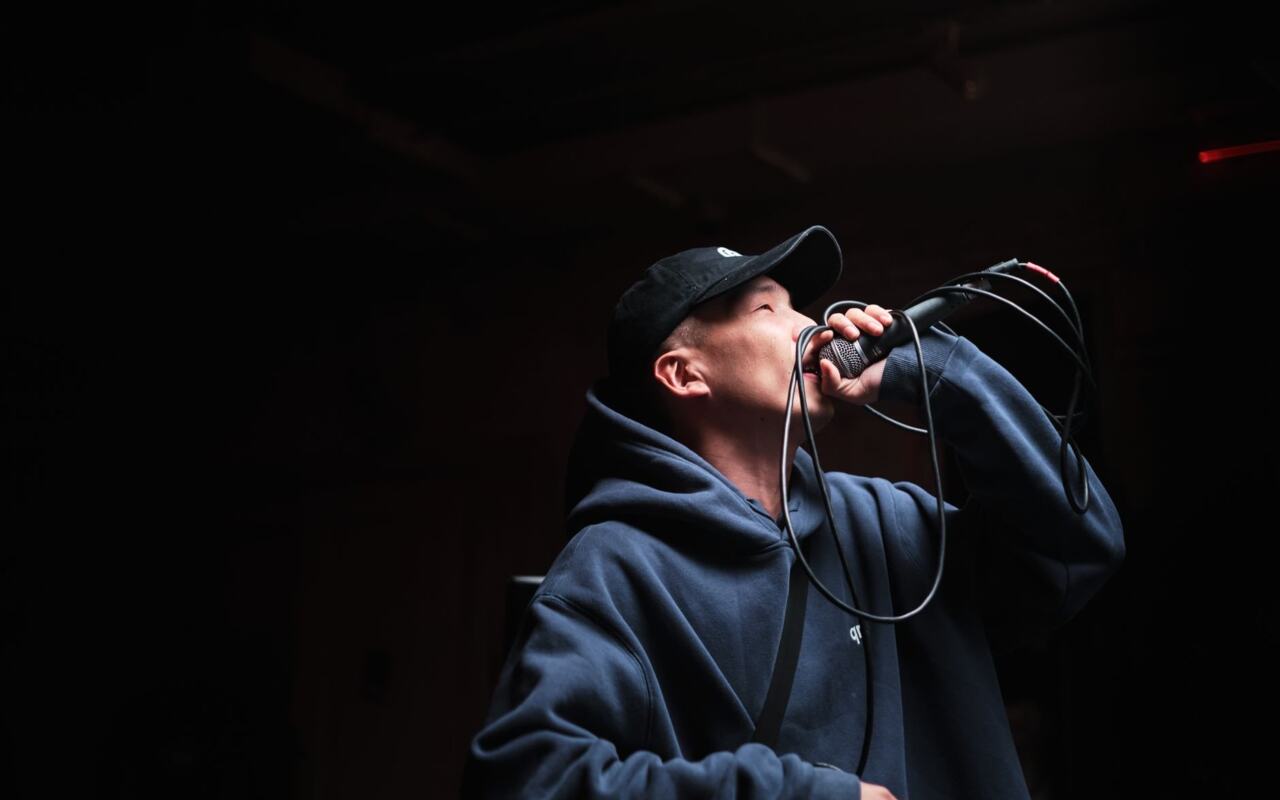
The main types of rap music are old school, boom bap, trap, drill and conscious rap, and they differ most in vocal delivery: how an MC places words against the beat. Choose by the voice you want to hear.
Rap belongs to a much wider map of traditional singing styles around the world, and the styles below make most sense when you hear them as voice traditions first and beat genres second.
Choosing where to start
A new listener gets the most from starting at the origin and then jumping to the sound that matches their mood. The styles are different enough that a first track from the wrong one can feel like a different art form.
- Begin with old school for the foundations. LANDR points new listeners to Sugar Hill Gang, Tupac and Slick Rick, while Rhymeflux says Sugarhill Gang, Kurtis Blow, and Grandmaster Flash and the Furious Five set the template.
- Move to boom bap if you like storytelling MCs. LANDR describes boom-bap MCs rhyming about stories from the streets over drum production that gives the style its name.
- Try trap or drill for the current mainstream sound. Trap suits listeners who want heavy 808 patterns and assertive lyrics. Drill suits those who prefer faster beats with eerie melodies and a colder, more clipped delivery.
- Pick conscious rap when you want commentary. The Keys News history of rap ties its rise to artists such as A Tribe Called Quest and Public Enemy.
- Reach for jazz rap when you want intricate rhyme. LANDR notes that jazz rap in the early 2000s combined complex rhyme schemes with advanced sampling.
Rap sorts into six broad families, according to Rhymeflux: foundational, regional, lyrical, trap, drill and melodic. That grouping is a useful map, because a single artist often crosses family lines within an album.
How rap began
Rap was created in the 1970s, as Clark Audio puts it, and it grew out of older spoken traditions rather than appearing from nowhere. Keys News names spoken-word poetry, toasting and the rhythmic chants of African griots as the foundations of rap.
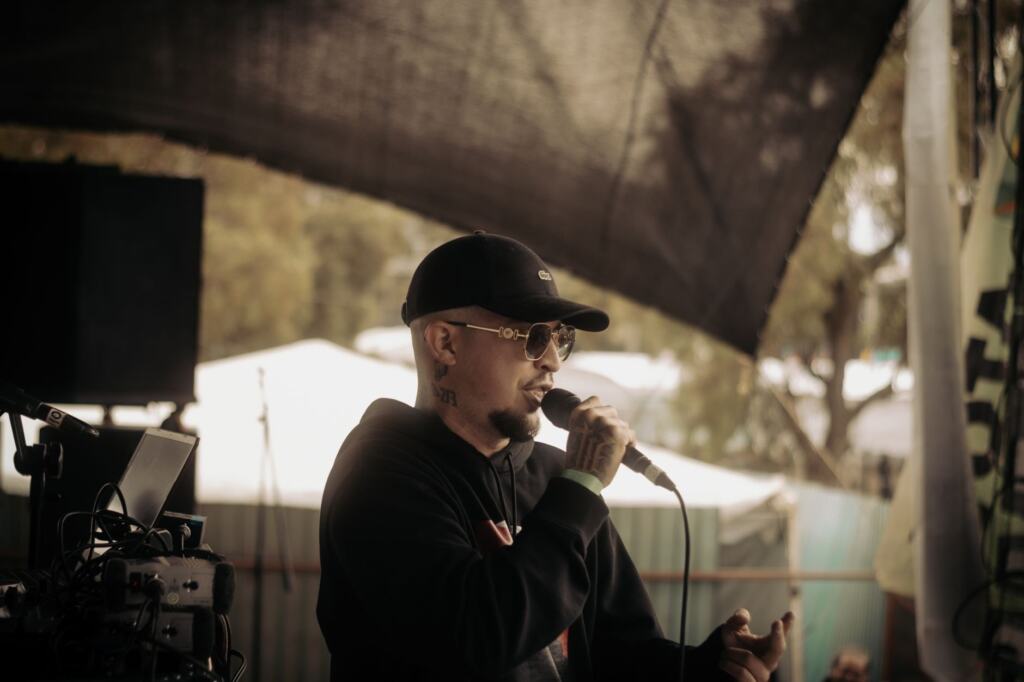
The same article places the instrumental side in the late-1970s South Bronx, where DJs like Kool Herc pioneered isolating and looping instrumental breaks. That split is why rap has two origin stories that matter for listening: a vocal lineage of rhythmic speech and a production lineage of looped drums.
The practical consequence is that the MC and the DJ or producer share credit for any style. When a track sounds “old school” or “boom bap”, you are hearing a particular agreement between a voice and a loop.
Timeline of rap styles
The dates below overlap because sources frame eras differently. Treat them as a rough order of arrival, not exact start lines.
- Mid-1970s to early 1980s. Rhymeflux places old school rap in the Bronx. Clark Audio uses a wider window, calling old school the era from the 1970s to 1990s when rap became a movement.
- Late 1980s to mid-1990s. Boom bap takes shape in New York, and conscious and lyrical rap take root in New York and LA from the late 1980s on.
- Early to mid 2000s. Trap emerges in Atlanta. LANDR credits producers such as Metro Boomin and Zaytoven as pioneers, and jazz rap in the early 2000s pushed sampling and rhyme schemes further.
- Early 2010s onward. Rhymeflux dates Chicago drill to around 2011 to 2012. Clark Audio says drill has been a major type of rap since the early 2010s, and LANDR says it reached the mainstream towards the late 2010s.
Reading the list, you can see that each new style answered the previous one: a faster pulse, a darker palette or a different relationship between the voice and the beat. The next section looks at that voice.
Flow and delivery by style
Flow is the way an MC fits words into the beat. Rhymeflux says rhyme density, syllable load, pocket and word choice all shift from one subgenre to the next, so flow is the clearest way to tell styles apart by ear.
Old school and boom bap
Old school rap leans on sampled beats and mostly freestyle vocals, per Clark Audio. Boom bap keeps the voice up front over drums that are almost always in duple time, two beats to a bar. LANDR adds that many producers of that period sampled soul and funk vinyl straight into an SP-1200, which gave MCs a dusty, loop-based bed for their stories. Listen for verses that stay locked to the drum pattern and treat the loop as a steady frame.
Trap
Trap sits in Atlanta’s early-to-mid 2000s sound of booming 808s, fast rolling hi-hats, a half-time pocket and triplet flows, as Rhymeflux describes it. Clark Audio stresses 808 patterns and assertive lyrics. The half-time pocket gives the voice room to stretch, and triplet flows let it jump ahead of the beat before landing back on it.
Drill
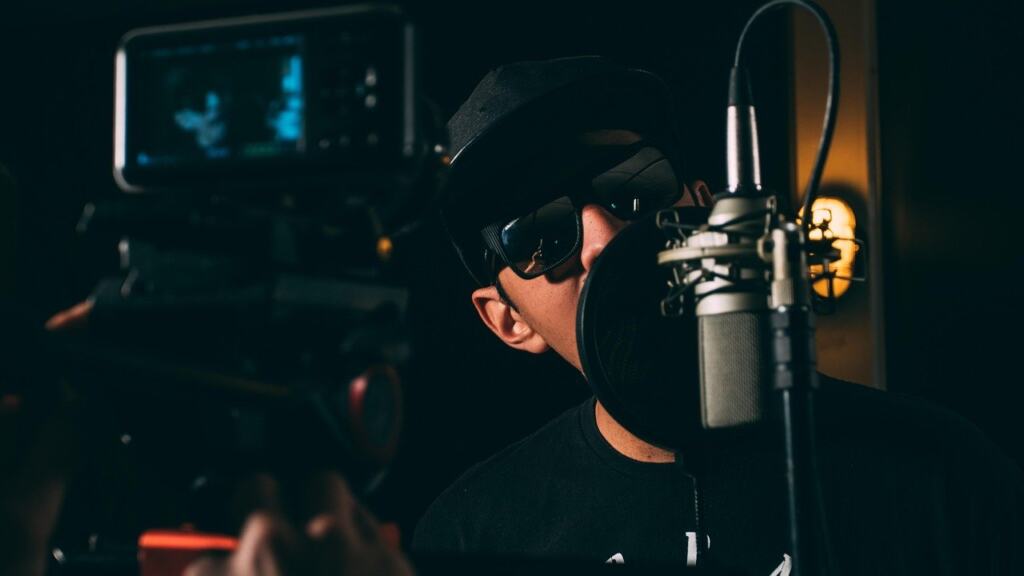
Rhymeflux says drill trades density for menace: short phrases, hard consonants and a flow that sits a touch behind the slide of the bass. Chicago drill arrived on slow, ominous 808s, a sliding bass and dark synths, while Clark Audio describes later drill beats as faster paced with eerie melodies. Because the phrases are short, every consonant is audible, so drill rewards close listening to articulation.
Conscious and lyrical rap
Here the delivery serves the message. Keys News credits Public Enemy with pushing the boundaries of political and social commentary, and Rhymeflux places the lyrical family in New York and LA from the late 1980s. Expect clearer enunciation and more words per bar than in the trap or drill examples above, though how dense a given track is depends on the artist.
Cultural role of each style
Each style carries a different job in its community, and knowing that job explains choices in tone and subject. Boom-bap MCs, according to LANDR, rhymed about stories from the streets, and a genre analysis paper says early rappers like Tupac and Biggie rapped about their struggles growing up in difficult environments and gang violence.
Old school rap functioned as a movement, in Clark Audio’s phrase, which fits its roots in spoken-word poetry, toasting and griot chants. Conscious rap turned that same voice toward political and social critique. Trap and drill, in turn, are shaped by place: Atlanta for trap, Chicago for the drill that Rhymeflux places around 2011 to 2012, built on slow, ominous 808s.
The practical lesson is to match a style to a listening purpose. Playing conscious rap as background music misses what it is for, and treating trap as a lecture misses the point of the pocket. Judge each style by its own job.
Related listening and reading
Comparing rap with other regional vocal traditions sharpens the ear for rhythm and delivery. Types Of Spanish Music: A Quick Guide To Flamenco, Latin Genres, & Regional Styles (2026) groups another set of styles by region, and the history of christmas caroling shows a very different communal vocal tradition.
Frequently asked questions
How does boom bap differ from trap in the drums?
Boom bap drum patterns are almost always in duple time, two beats to a bar, according to Clark Audio. Trap is built on booming 808s, fast rolling hi-hats and a half-time pocket, per Rhymeflux.
Is old school rap the same as boom bap?
No. Rhymeflux dates old school rap to the Bronx from the mid-1970s into the early 1980s, and boom bap to New York from the late 1980s to the mid-1990s. Boom bap gets its name from its distinctive drum production style, per LANDR.
When did drill become mainstream?
Clark Audio says drill has been a major type of rap since the early 2010s, while LANDR describes it as a trap-inspired style that made it into the mainstream towards the late 2010s.
What does crunk sound like?
LANDR describes crunk as using loud, gnarly choruses that almost sound like they are screamed into the mic.