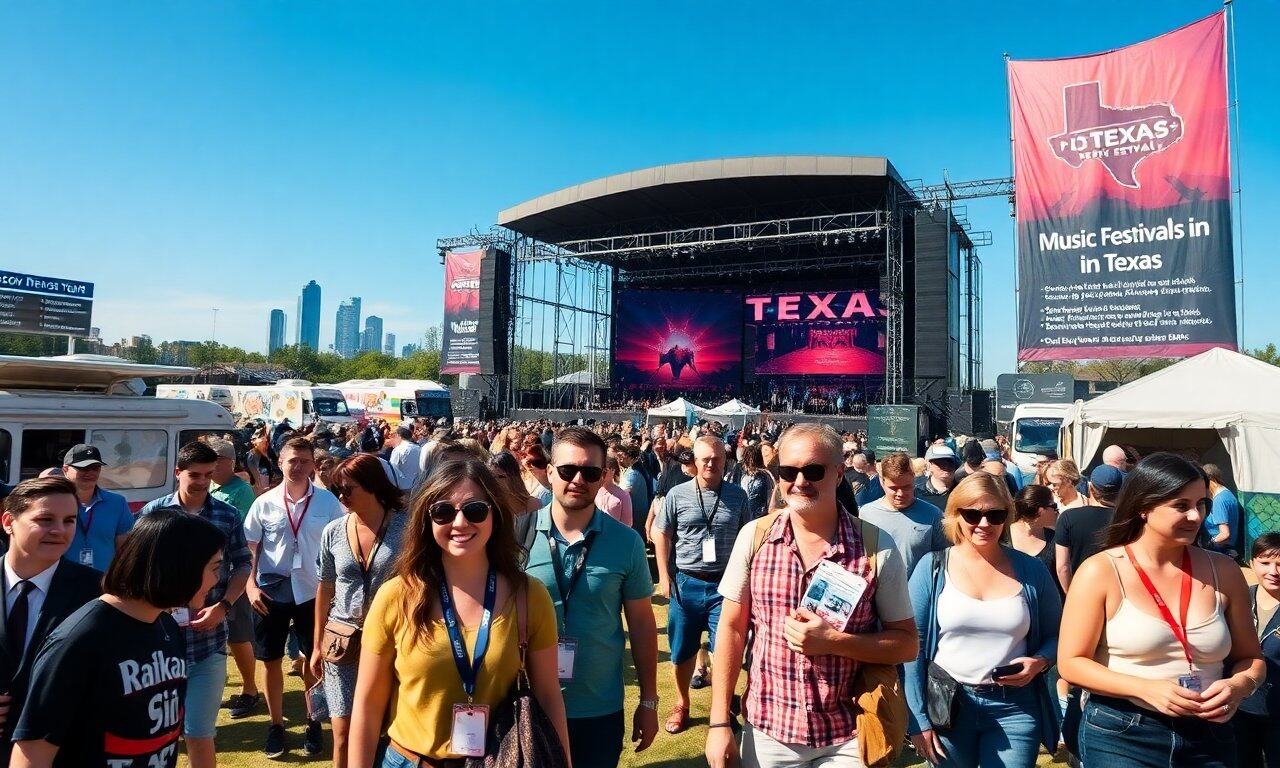
Music festivals in Texas draw fans from across the country. This guide lists major events, shows what attendees should expect, and explains practical planning steps. It helps readers pick music festivals in Texas by region, book tickets and lodging, and stay safe at events. The advice stays practical and clear so they can act quickly and enjoy the music, whether they’re attending a multi-day city festival or a weekend ranch show.
Key Takeaways
- Music festivals in Texas offer diverse experiences across regions, with Austin featuring indie and rock, Dallas–Fort Worth showcasing pop and hip-hop, Houston highlighting multicultural lineups, and West Texas focusing on country and bluegrass.
- Attendees should plan early by selecting tickets, booking accommodations near venues, and organizing transportation, including parking and shuttle options, to ensure smooth festival experiences.
- Staying safe and comfortable at music festivals includes following venue health rules, wearing appropriate clothing and sunscreen, staying hydrated, and securing valuables properly.
- Organizing group roles and using communication tools helps reduce confusion during festival check-ins and meetups, enhancing overall enjoyment.
- Maximize your Texas music festival experience by scheduling must-see acts, exploring local vendors, taking breaks to avoid burnout, and preparing for post-festival travel and rest.
- Regularly check official festival websites for updated lineups, health policies, ticket options, and resale channels to stay informed and secure your spot at popular Texas music festivals.
The Best Music Festivals in Texas by Region and Genre
Austin and Central Texas
Austin hosts several of the largest music festivals in Texas each year and is often called the live-music capital for good reason. Events range from large-scale outdoor festivals with multiple stages to intimate showcases across bars and small venues. South by Southwest (SXSW) mixes conference panels with music showcases, drawing industry professionals alongside fans; Austin City Limits (ACL) focuses on large outdoor headliners with long setlists and curated supporting acts. Smaller events, neighborhood series, and seasonal block parties spotlight local folk, Americana, and up-and-coming indie artists. For planning: map out which neighborhoods host stages, look for day-by-day lineup releases, and consider staying near public transit or using bike rentals to avoid downtown parking hassles.
North Texas and Dallas–Fort Worth
The Dallas–Fort Worth area hosts diverse festivals in urban parks, amphitheaters, and arenas. You’ll find pop, hip-hop, country, and crossover acts on billboards at major events, while community-driven festivals showcase local bands, DJs, and family-friendly stages. Organizers in DFW often pair music with food trucks, craft markets, art installations, and children’s programming to encourage full-day outings. Practical note: check which festivals allow tailgating or picnic blankets, what the venue re-entry policy is, and whether ADA viewing areas or stroller-accessible routes are specified in advance.
Houston and Gulf Coast
Houston stages large outdoor festivals that reflect the city’s cultural mix, featuring hip-hop, Latin, R&B, and electronic music alongside internationally touring acts and regional performers. Coastal and Gulf-adjacent events add beachfront or bayfront vibes when venues sit near water, and late-night sets and afterparties are common in surrounding neighborhoods. Food vendors often mirror the multicultural lineups, so attendees with dietary restrictions should review on-site options or vendor maps beforehand. Consider weather patterns for the Gulf Coast—bring sun protection and a lightweight rain shell, and confirm festival policies on shade tents or cooling stations.
West Texas and Smaller Venues
West Texas offers festivals with a focus on country, bluegrass, roots, and singer-songwriter circuits. These events frequently take place on ranches, in small towns, or at desert venues where camping or glamping is an option; the setting emphasizes relaxed pacing, community campfire sessions, and close-up performances. If camping, prepare a checklist: tent footprint, sleeping pad, extra water, headlamp, multi-tool, and weather-appropriate sleeping layers. Check whether festivals permit generators, quiet hours, and pet policies before arriving.
Genre-Focused Picks
Across Texas you can match your musical taste to the right festival. Country and Americana lineups appear at statewide events and smaller regional showcases; EDM and electronic fans find multi-stage dance weekends near major cities and in specially curated venues; jazz, blues, and Latin music appear year-round in city calendars and neighborhood festivals. To refine choices: subscribe to festival mailing lists, follow local promoters on social media for pop-up shows, and build a shortlist of events by comparing average set lengths, number of stages, and typical crowd profiles.
Music festivals in Texas run year-round and vary by size, price, and crowd. Fans should check official festival pages for updated lineups, vaccination or testing policies if applicable, age restrictions, and accessibility services. Buy tickets early for major festivals, watch for early-bird or payment-plan options, and use official resale channels if you miss the initial drop to avoid scams.
Planning Your Festival Trip: Tickets, Accommodation, And Getting Around
Tickets and Pass Types
When comparing ticket types, consider single-day, weekend, VIP, and tiered-access passes. VIP often includes separate ingress, VIP-only viewing areas, shaded lounges, and enhanced restroom options; weigh the cost versus the comfort and time saved. Confirm refund, transfer, and resale policies before purchase. For groups, designate a ticket manager to track order confirmations and wristband pickup requirements. Also verify identity checks, guest lists, and whether wristbands are activated on arrival or prior to entry.
Booking Accommodation
Decide among hotels, short-term rentals, and camping based on comfort preferences and proximity to venues. For city festivals, prioritize accommodations near transit lines or shuttle pickup locations to avoid long, costly rideshare waits. For camping festivals, confirm whether campsites are car-accessible, if there’s potable water on-site, and whether quiet hours are enforced. Look for package deals with festival partners—sometimes hotels offer shuttle combos or early check-in for festival attendees.
Transportation and Parking
Plan routes, parking, and alternate transport options. Many festivals publish maps showing official parking lots, shuttle stops, bike corrals, and rideshare pickup zones. If driving, reserve parking passes in advance and note recommended arrival windows to avoid lot closures. Rideshare drop-off and pickup zones can become congested after headline sets—identify secondary pickup spots and communicate plans with your group. For urban festivals, consider transit passes or biking to avoid parking fees and traffic. If you bring a bicycle, use a sturdy lock and register it with event security if offered.
Budgeting and Timing
Create a festival budget that covers tickets, lodging, transport, food, merchandise, and an emergency buffer. Use payment plans or buy early to lock prices. Time your arrival to allow for festival check-in and wristband activation the day before big shows, especially if you want to get a good viewing spot for headliners. Build an itinerary with realistic gaps for meals, restroom breaks, and moving between stages.
Group Planning
Groups should assign roles—ticket manager, lodging coordinator, route planner, and safety lead—and set a communications plan: designate meeting points, share a family or group emergency contact, and pick a backup phone or power bank. Use a group chat and offline backups (screenshots of tickets, PDFs of reservations) in case of limited connectivity. Establish a buddy system to look out for each other during crowded sets or late-night exits.
Practical Tips For Staying Safe, Comfortable, And Getting The Most Out Of The Experience
Health and Safety Basics
Follow venue rules and posted capacity limits. Identify first-aid and medic tents on arrival and note local emergency exits. Carry a small first-aid kit with blister care, bandages, and pain relievers; include any personal medications with prescriptions and a waterproof container. Use ear protection for prolonged exposure to loud sets, and plan short breaks away from the main crowd to rest your hearing and recharge.
Personal Comfort
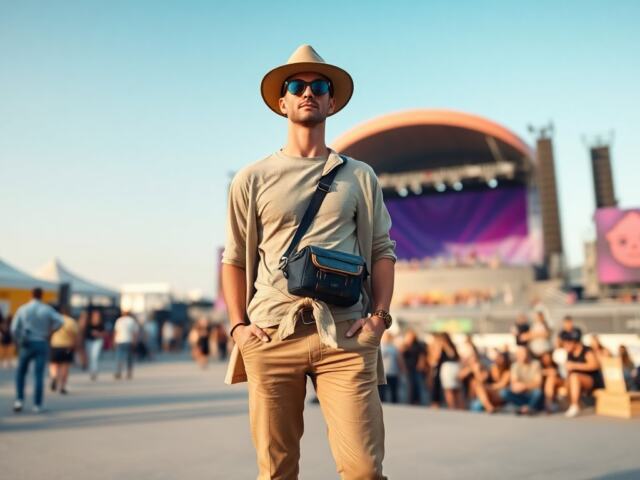
Layered clothing helps with Texas temperature swings—light, breathable fabrics for daytime heat and a warm layer for cooler nights. Comfortable, sturdy shoes are essential for standing, walking, and potentially muddy or uneven terrain. Bring a refillable water bottle if allowed; locate water refill stations on festival maps and set regular hydration reminders. Pack sunscreen, a hat, and sunglasses for daytime events, and a compact rain shell for sudden storms.
Security and Valuables
Keep valuables secure: use small locks for bags, money belts, or hidden pouches under clothing. Take photos of important documents and ticket QR codes, and email copies to a trusted contact or save them offline. Avoid bringing irreplaceable items; if you must, note the festival’s lost-and-found procedures on arrival. Stay aware of your surroundings and report suspicious activity to staff promptly.
Food, Alcohol, and Policies
Review banned items and entry rules in advance—many festivals restrict outside food, glass containers, and large umbrellas. If you have dietary needs, check vendor menus or bring acceptable alternatives if permitted. If consuming alcohol, pace yourself, alternate with water, and look out for friends; never leave drinks unattended. Use cashless payment options where available to speed transactions and reduce on-hand cash.
How to Maximize the Experience
Build a realistic schedule: choose two to four must-see acts per day and leave free windows for unexpected discoveries. Arrive early to see smaller acts, get good vantage points, or explore vendor areas when lines are shorter. Limit phone use to essential photos and quick check-ins to stay present; consider a pre-charged power bank and portable charger. Capture a few high-quality photos rather than an entire stream of low-resolution clips, and take short breaks in quieter zones to avoid burnout.
After the Festival
Confirm departure plans—shuttle schedules, post-show transit, and check-out times—so you don’t miss last rides or face long waits. Check your accommodation for forgotten items and use the festival’s lost-and-found if necessary. Recover with light meals and hydration, review what gear worked well, and make notes for next year on preferred viewing areas, equipment, and travel timings to improve future festival trips.
Music festivals in Texas reward careful planning. From big-city spectacles to quiet ranch shows, the state’s festivals provide a wide range of experiences. Attendees who prepare tickets, lodging, transport, and safety measures tend to enjoy the shows more, discover new favorites, and return year after year with better systems and more focused festival goals.