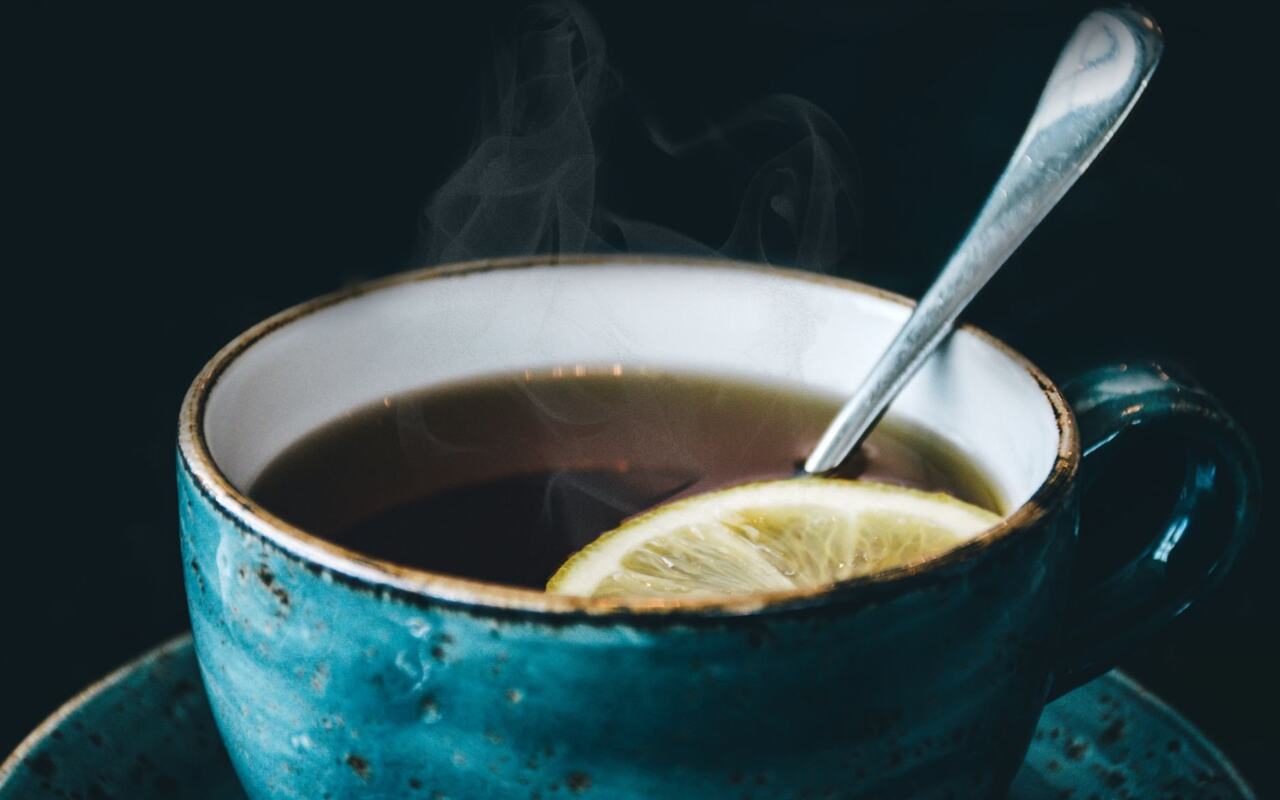
The best tea for singers is a caffeine-free herbal blend that you enjoy and drink as one part of a vocal-care routine. No tea replaces warm-ups, rest or hydration, and the evidence behind most claims comes from manufacturers.
This guide sorts popular singer teas and ingredients by what is actually claimed for them. For the wider routine around them, see how to keep your voice healthy for singing.
How these teas are judged
There is no ranking here, because the available evidence does not justify putting one tea above another. Instead, each option is read against four criteria, and the list moves from ready-made singer blends to single ingredients.
- Caffeine content: a product described as naturally caffeine-free is easier to drink often, including close to a performance.
- Who makes the claim: a maker describing its own blend is useful for ingredients and brewing, but it is not independent proof that the tea changes your voice.
- Role in a routine: a tea that presents itself as an add-on to vocal care is more honest than one implying it fixes problems.
- Practicality: brew time, pack format and whether the blend works hot or cold decide whether you will actually use it.
Habit matters too. A warm cup before rehearsal can calm nerves and give you a reason to pause and sip, and that is a fair reason to keep drinking it. Just keep it separate from a claim that the cup treats your voice.
Ready-made singer blends
Vocalzone Tea
Vocalzone Tea is the most clearly positioned singer product in the group. The maker describes it as a naturally caffeine-free herbal product, and it says the tea should not replace any vocal care routines but is designed to enhance them.
That framing is the most useful thing about it. It suits singers who want a dependable caffeine-free cup on rehearsal and gig days and who already look after their voice in other ways. It does not suit anyone hoping a tea will fix hoarseness or substitute for rest.
On practicality, the manufacturer says as little as 2-3 minutes of brewing will do, and that longer brewing is said to give greater benefits. Treat the longer-brew idea as the maker’s view. Start with the short brew and lengthen it only if you prefer the taste.
Voice Tea from Nashville Tea
Nashville Tea states that its Voice Tea is recommended for singers, as well as speakers and teachers. The listing offers 25 sachets, with loose leaf also available, at $25.00.
The range suits people who like choosing a flavour rather than committing to a single formula, and it covers speakers who use their voice all day. The limitation is the same as with any marketed blend: the recommendation comes from the seller, not from a clinical comparison. Pick on flavour and convenience, not on promised effects.
Green Room: green rooibos, ginger and lemon
Green Room is an herbal blend of green rooibos, ginger and whole dehydrated lemons, according to the same Nashville Tea listing. It suits singers who like a bright, spiced cup and do not want a tea base that looks like regular black tea.
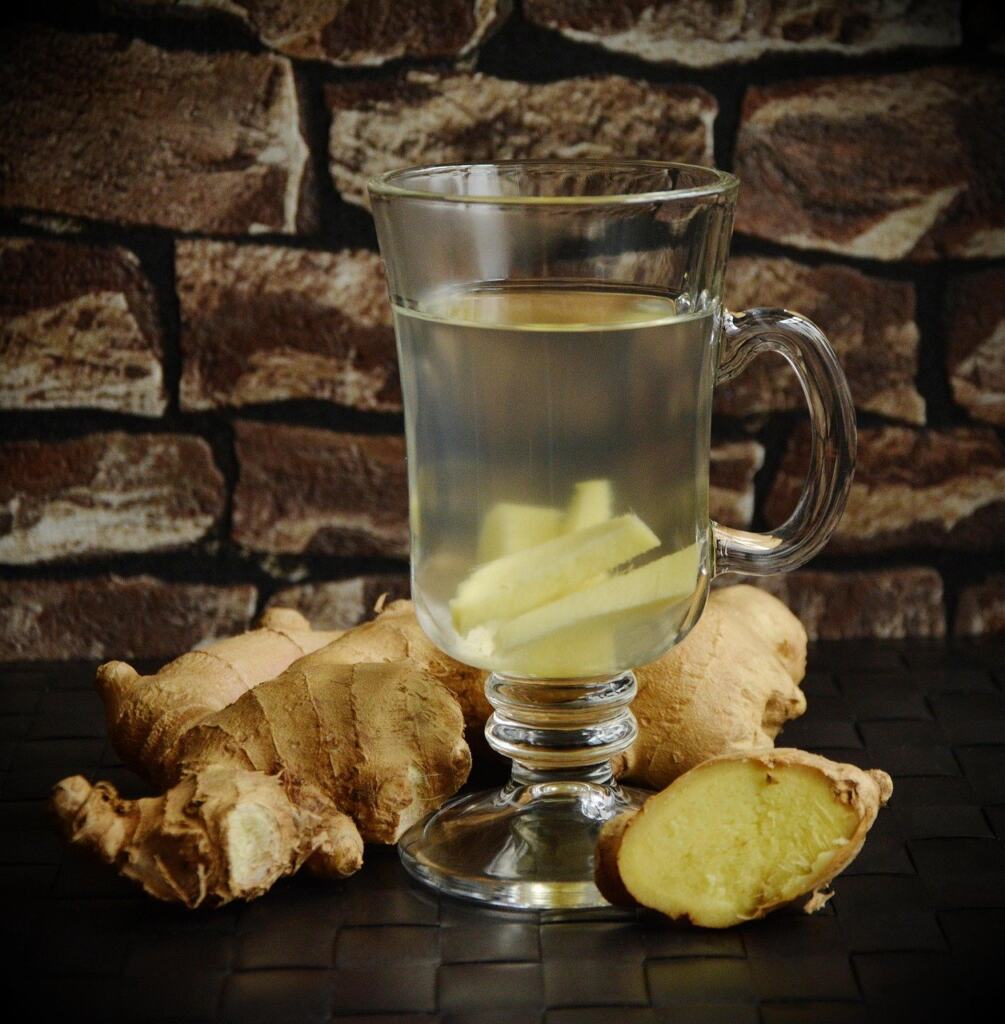
Its limits are the ones that apply to its parts. Ginger and lemon are familiar, flavourful additions, but the product page gives no measured effect on the voice. Choose it because you like drinking it, and do not expect it to repair a tired voice.
Bus Call: red rooibos, chamomile, lemon and mint
Bus Call combines red rooibos, chamomile flowers, whole lemons and a touch of mint. It is the gentler, more soothing-tasting of the blends and suits evening use, such as winding down after a show.
Anyone with a known allergy to a plant in the ingredient list should read it first. Chamomile and mint are common herbal ingredients, so the list matters more than the singer branding.
Summer Fest: a blend for hot or cold
Summer Fest is described as the first blend specifically created to be served cold or hot, with a suggestion to add a touch of honey and ice for a refreshing hibiscus cooler. It suits outdoor festival days or warm weather, when a hot mug is unappealing but you still want something other than plain water.
That serving suggestion is a drink idea, not a treatment. It also shows that the makers themselves do not treat temperature as a fixed rule.
Single ingredients: what each can and cannot claim
Slippery elm and marshmallow root
Slippery elm is the ingredient with the most specific mechanism offered. Vocalzone credits naturally occurring mucilage in ingredients such as slippery elm, and names marshmallow root as another source of it. That is a maker’s explanation for why its tea may feel soothing, not an independent finding.
Slippery elm suits singers who want a thick, soothing-feeling drink and accept that the benefit is a manufacturer claim. If a throat problem lingers, a tea is not the answer. Rest and a clinician are.
Ginger
Ginger appears in the Green Room blend. Its place in singers’ routines is largely habit and flavour, since nothing in the supplied evidence ties it to measurable vocal change. It is a reasonable choice if you enjoy the warmth and spice, and a poor one if you find it sharp on an already irritated throat.
Lemon
The only supported statement about lemon comes from Vocalzone, which describes lemon whole fruit as a great source of Vitamin C. That is a nutritional point about the fruit, not a claim that lemon improves the singing voice. Lemon is best treated as a flavour that makes plain herbal tea easier to drink.
Honey
Honey is the classic singer add-in, and the one with the weakest case for being more than comfort. In the evidence here its only role is Nashville Tea’s suggestion of a touch of honey in the Summer Fest cooler. Use a small amount for taste. If you notice that sweet drinks leave your mouth or throat feeling coated before you sing, leave it out.
Comparison at a glance
| Option | What is claimed | Main condition | Planning use |
|---|---|---|---|
| Vocalzone Tea | Naturally caffeine-free herbal product with mucilage-rich ingredients such as slippery elm | Adjunct to, not a replacement for, vocal care | Daily caffeine-free cup; start with a 2-3 minute brew |
| Voice Tea (Nashville Tea) | Recommended for singers, speakers and teachers | 25 sachets listed at $25.00; loose leaf also available | Good if you want to choose between flavours |
| Green Room | Green rooibos, ginger and whole dehydrated lemons | Ingredient list only; no stated voice outcome | Bright, spiced cup for rehearsal days |
| Bus Call | Red rooibos, chamomile flowers, whole lemons and mint | Check the ingredient list for allergies | Gentler evening cup after singing |
| Summer Fest | Designed to be served hot or cold | Honey and ice are a serving suggestion | Warm-weather option when hot tea is unappealing |
Figures and descriptions come from Vocalzone’s tea page and Nashville Tea’s Voice Tea page, both of which are manufacturer statements.
When tea can backfire
Tea rarely harms a voice directly. It goes wrong when it takes the place of something that matters more. The clearest warning comes from the maker of a singer tea: the product is meant to enhance vocal care routines, not replace them. A cup of tea that lets you feel looked after while you skip warm-ups, rest or water is working against you.
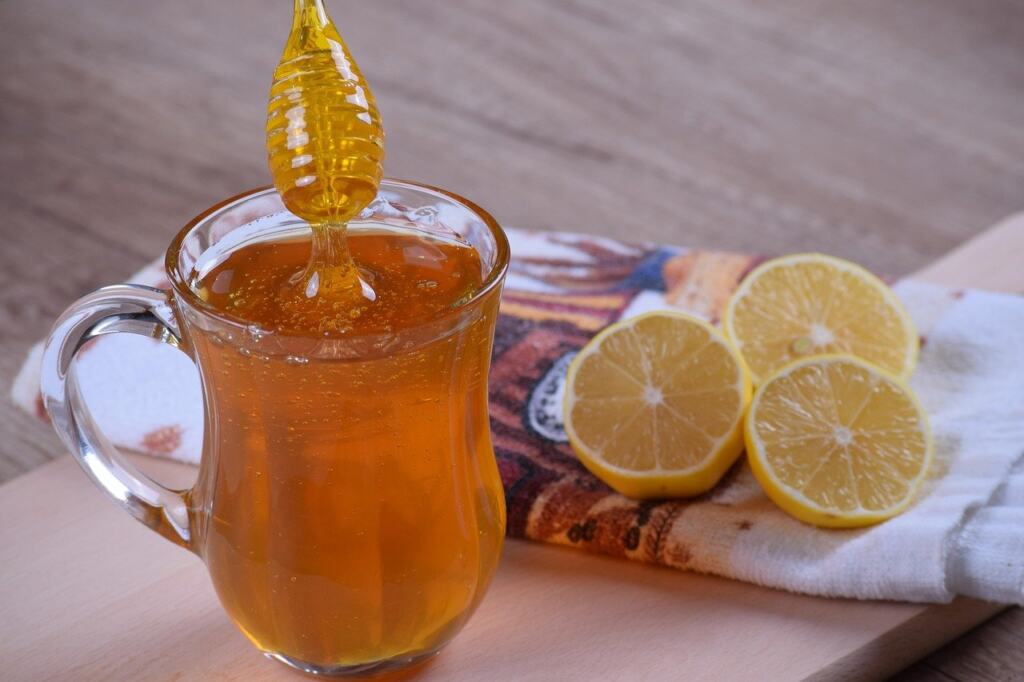
A second risk is chasing a single ingredient. Slippery elm, ginger, lemon and honey each have a reputation, but the reputation is mostly habit or product marketing. If one of them irritates your throat or stomach, drop it rather than persist because a singer blog recommended it.
A third risk is what you drink alongside the tea. Heavy, sweet or acidic foods and drinks shape how comfortable your throat feels before a performance, so read foods to avoid before singing alongside your tea choice. Sleep is another factor that no tea can cover; the question of does lack of sleep affect singing voice is worth settling before you reach for another cup.
If you take medication, are pregnant or have a known allergy, check any herbal blend’s ingredients with a pharmacist or doctor before making it a daily habit. That is general caution, and it applies to every blend above.
Brewing and serving
For a blend that gives brew guidance, follow the pack. Vocalzone says 2-3 minutes will do and that a longer steep is said to give greater benefits, which makes the short brew a safe default and the longer one a taste experiment.
Tea also fits into hydration for singers as one drink among others, not as a substitute for them. A caffeine-free herbal cup counts as something pleasant to sip across a rehearsal, but it does not replace the rest of your drinking routine. Cold serving is a legitimate option as well: the Summer Fest blend exists precisely because some people do not want a hot mug.
Frequently asked questions
What tea is best for singers?
A caffeine-free herbal blend you like is the best fit. Makers such as Vocalzone and Nashville Tea market singer-specific blends, but their claims are their own, so choose on ingredients, taste and tolerance.
Should you drink tea hot or warm?
No single serving temperature is established for singers. Summer Fest is designed to work hot or cold, so a comfortable temperature that you can sip steadily is a reasonable choice.
Is tea enough to look after my voice?
No. The manufacturer of Vocalzone Tea says its product should not replace vocal care routines. Treat tea as a supporting habit alongside rest, warm-ups and good general care.
Do I need to add honey or lemon?
No. Honey appears only as a serving suggestion for the Summer Fest cooler, and lemon is described by a maker as a source of Vitamin C. Add either for flavour if you like it.