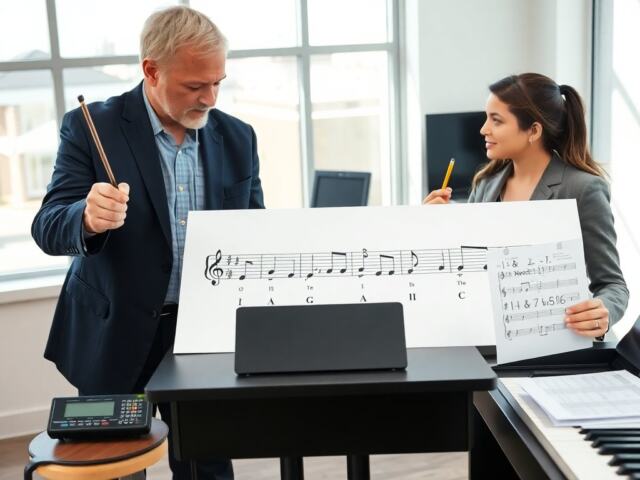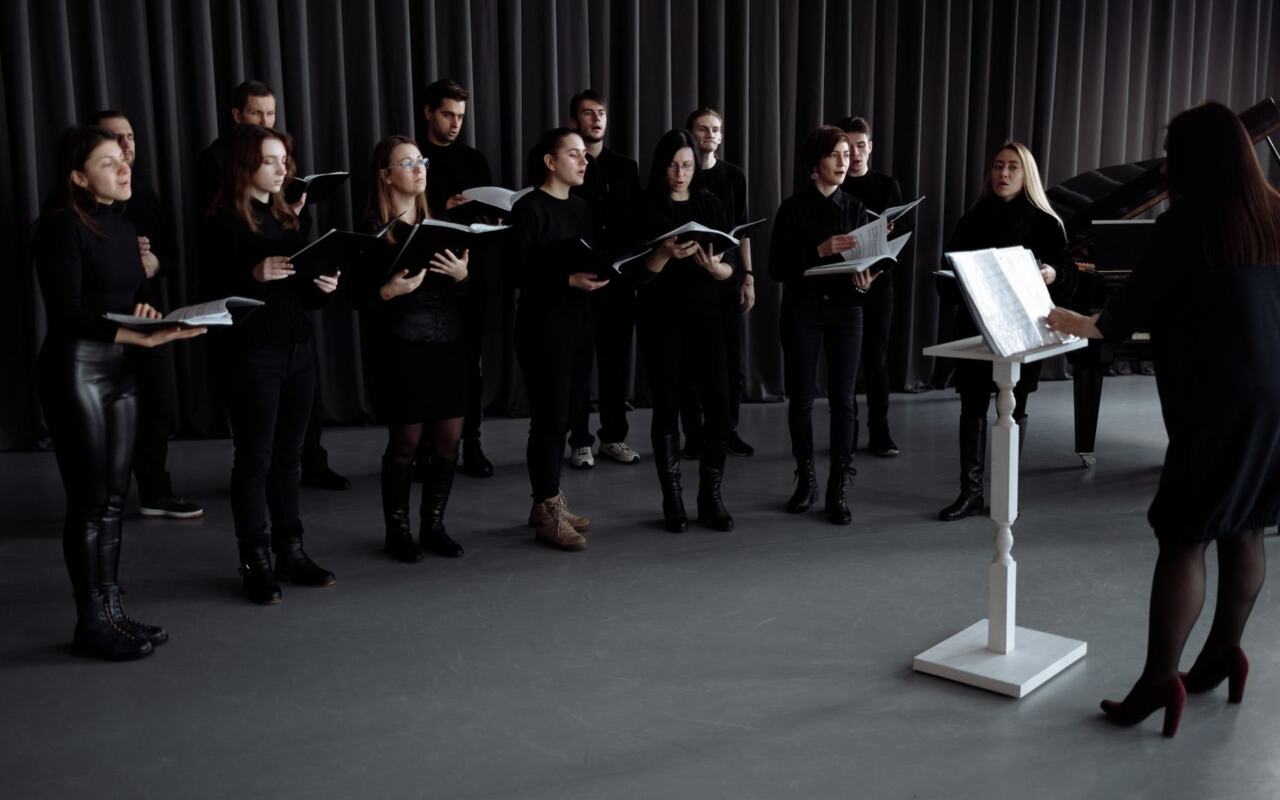
The alto vocal range is usually given as F3 to F5, the second-highest choral voice part, usually sung by women. Individual spans vary, so test your own comfortable notes rather than chasing the outer limits.
This guide pairs testing, training and repertoire in one place. For the wider skill set, see our guide on how to improve singing voice, and browse more in the Music section.
How the alto voice works
A voice-teacher lesson on Howcast puts it simply: an alto has the lowest female voice. The same lesson describes a tone that changes as you climb. The lower range carries warmth and chest-voice resonance, and the higher you go on the scale, the lighter the tone becomes.
That shift explains most of what an alto should and should not do. The voice earns its place through colour and ease in the lower and middle stretch, not through how high a single note can be forced. A singer who treats the top of the published range as a target will usually sound thin and tired. A singer who builds on the warm middle will sound fuller and last longer through a rehearsal.
In a choir, the alto line sits beneath the soprano line, as the second-highest voice part. Altos therefore need steady tone and secure pitch in the middle of the voice more than they need brilliance at the top.
Alto, mezzo-soprano and contralto compared
Published ranges for neighbouring female voice types overlap heavily, so the numbers work best as a map of the territory, not as a test you pass or fail.
| Voice type | Range quoted | Planning use |
|---|---|---|
| Alto | F3 to F5 | Treat as the outer frame; choose songs from the comfortable middle of it. |
| Contralto | F3 to F5, described as the lowest voice for females | If your span matches but low notes feel easiest, discuss contralto with a teacher. |
| Mezzo-soprano | G3 to A5 | If the upper notes feel easier than the lower ones, mezzo repertoire may suit you better. |
Figures from a vocal ranges reference (alto) and Singing Machine’s range guide (contralto and mezzo-soprano).
These sources give the same span for alto and contralto, so the endpoints alone cannot separate the two. What they do separate is the mezzo-soprano, whose quoted span starts higher and reaches higher than the alto’s. Practically, the question is where your voice sounds most at ease, not which label matches your highest note.
The Howcast teacher offers a more usable picture of an alto’s comfortable span. A lot of altos have comfortably a low F, all the way up to an E. That is a speaker’s description, and it varies by individual. Use it as a sanity check on your own result. It is not a pass mark, and it does not set a ceiling on what you may do with training.
Testing your alto notes at a piano
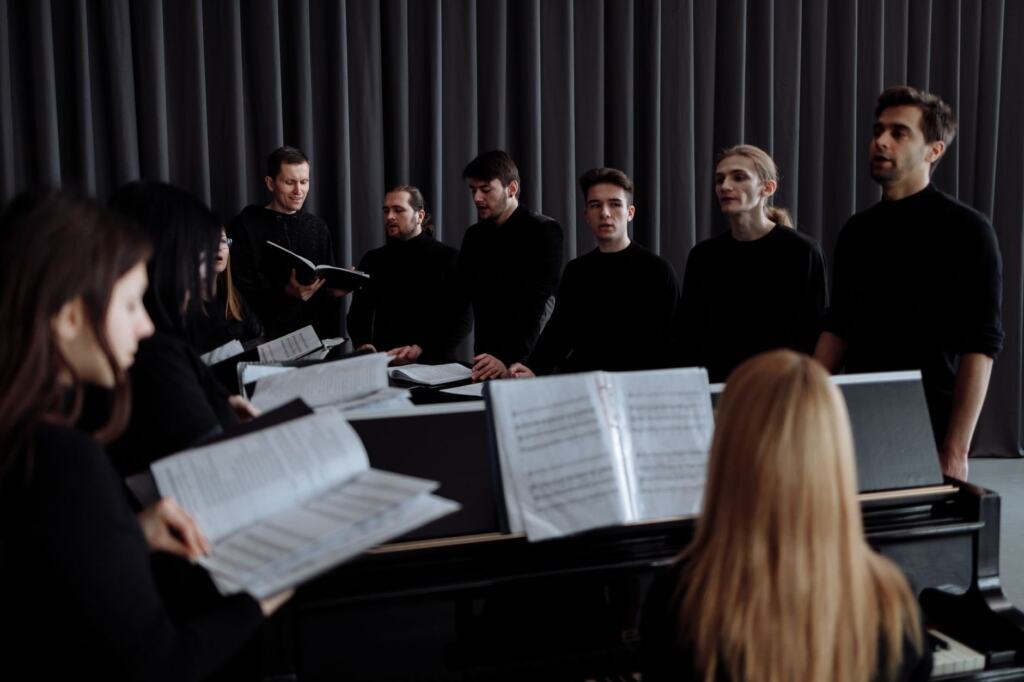
A range test only needs a piano or keyboard and a few relaxed minutes. The method below follows the approach in Singing Machine’s guide to finding your range, which defines vocal range as the measure of pitches the human voice can phonate.
- Find the bottom. Sing the lowest tone you feel comfortable singing, and match it to a key on the piano so you can name it.
- Climb in half steps. Move up by half steps, keeping every tone easy, until you reach the most comfortable note. That marks the comfortable stretch of your voice.
- Compare the low end. Per the Howcast teacher, most altos very comfortably can do an A, a G, or an F, and sometimes lower. If your easy low notes land in that area, an alto classification is plausible.
- Mark the change. Note where the tone lightens and the voice feels less stable. That transition is usually around G4 to A4 for altos.
- Write it down and stop on strain. Record your lowest comfortable note, your most comfortable high note and the transition point. If a note needs pushing, it is outside your working range for now. Persistent pain or hoarseness is a reason to see a voice teacher or a clinician who treats singers.
Repeat the test on another day before settling on a result. Your first attempt gives a starting point and your later ones show what is repeatable. For a longer walk-through of the same task, see how to find your vocal range without a teacher.
Training an alto voice
Training for an alto means building on the strengths the voice already has while managing the area where it changes character.
- Use the warm low register without forcing it. The lower range carries warmth and chest-voice resonance, so it is where an alto can sound richest. Keep it relaxed rather than pressed downward for effect.
- Expect the tone to lighten as you rise. Because tone gets lighter higher up, carrying chest weight upward will not make the top notes stronger. Let the sound lighten, and judge progress by evenness of tone, not volume.
- Slow down around the transition. The voice can feel unstable around G4 to A4. Practise phrases that cross this area slowly, and avoid long held notes there until the change feels smooth.
- Keep sessions short and stop on strain. A tired voice learns little. If hoarseness lingers or range shrinks, rest, and ask a teacher to assess your technique.
Training also depends on confidence that a voice can improve. If you are still deciding whether that is realistic for you, read Can Anyone Learn to Sing? A Practical Guide to Finding Your Voice in 2026 before building a routine.
Alto repertoire and choir roles
The most useful rule for choosing songs is to match the tessitura, the part of the range where phrases sit for most of the piece, to the comfortable stretch you found in your test. A song with one high note and a comfortable middle is a better choice than one that lives near your transition point.
- Listen to a classic alto sound. The Howcast teacher points to Mama Cass of The Mamas and the Papas as a classic alto, warm and rich-voiced. Her recordings are a reference for the colour described earlier.
- Join a choir for the alto line. Because alto is a standard choral part, usually sung by women, a choir gives regular practice at blending and holding pitch against other parts.
- Choose audition songs that show your middle. Pick material that displays a warm low-to-middle register and a secure upper-middle, and leave out songs that depend on your outermost notes.
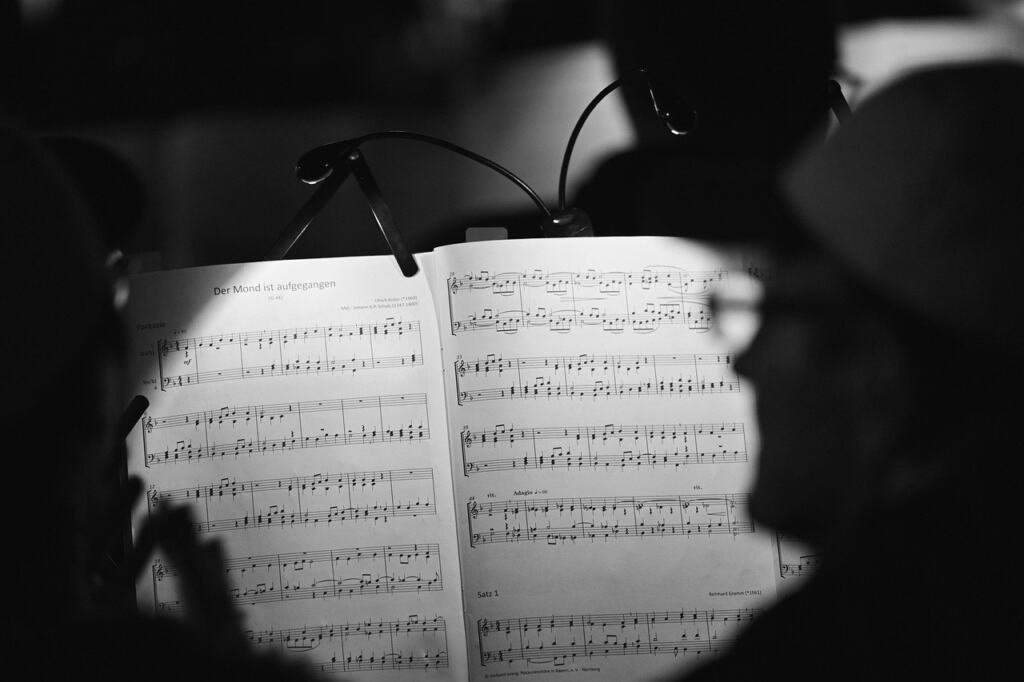
Whatever you choose, test the key against your own range first. A key change that places the phrases in your comfortable stretch is almost always better than singing the original key under strain.
Frequently asked questions
What does vocal range mean?
Vocal range is the span from the lowest to the highest pitch a voice can produce. Singing Machine describes it as the measure of pitches the human voice can phonate. It is separate from the comfortable stretch you would choose for songs.
Can an alto sing songs written for tenors?
Often, yes. According to a practical alto guide, many songs written for tenors sit beautifully in the alto range with minimal adjustment. Check the key against your comfortable notes before committing.
Should altos practise head voice?
Yes. The same alto guide advice is not to skip head voice exercises. They build range across the voice, so the lower register is not the only focus of practice.